Gyokuro vs matcha: the shade-grown tea that isn't ground into powder
By Trip Japan YLP Editorial TeamPublished by Trip Japan YLP
In this article
Bring up matcha prices with a guest and it's usually not long before someone asks, "okay, so what's the most expensive tea in Japan that you actually drink as leaves, not powder?" The answer is gyokuro (jade dew, if you want the literal translation). And here's the part that catches people off guard: in the field, it's grown right next to matcha, under the same black covering.
Same field, different factory
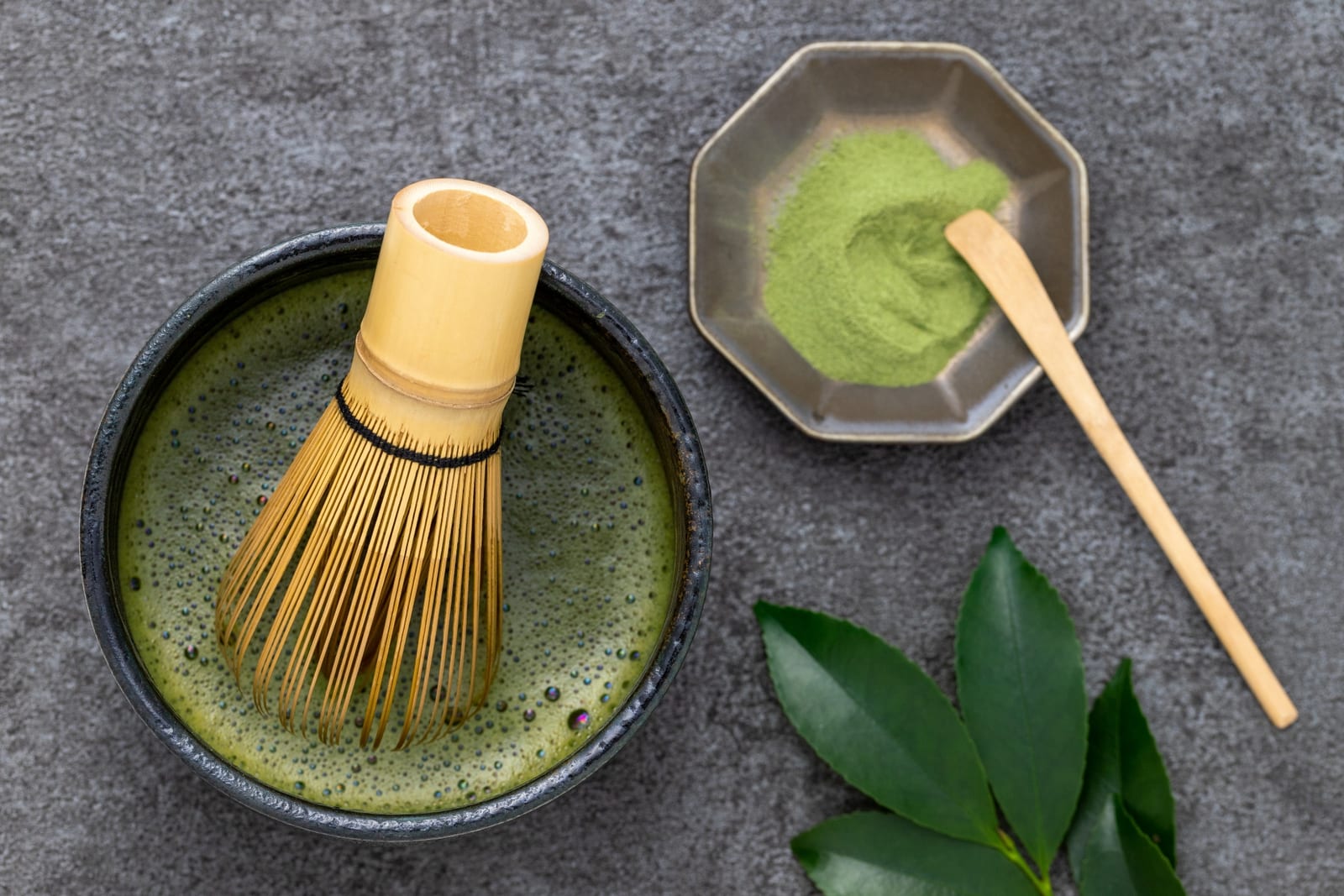
Matcha starts as tencha, a leaf grown under shade for roughly the last 20 days or so before picking (sources put the number a little differently, but 20 days is the figure you'll see most). We've written before about why matcha gets that shade treatment; it changes the chemistry of the leaf. Gyokuro gets the same shade, for a similar stretch of time. Kabusecha, if you come across the word, is the shorter-covered middle ground: about a week of shade rather than three.
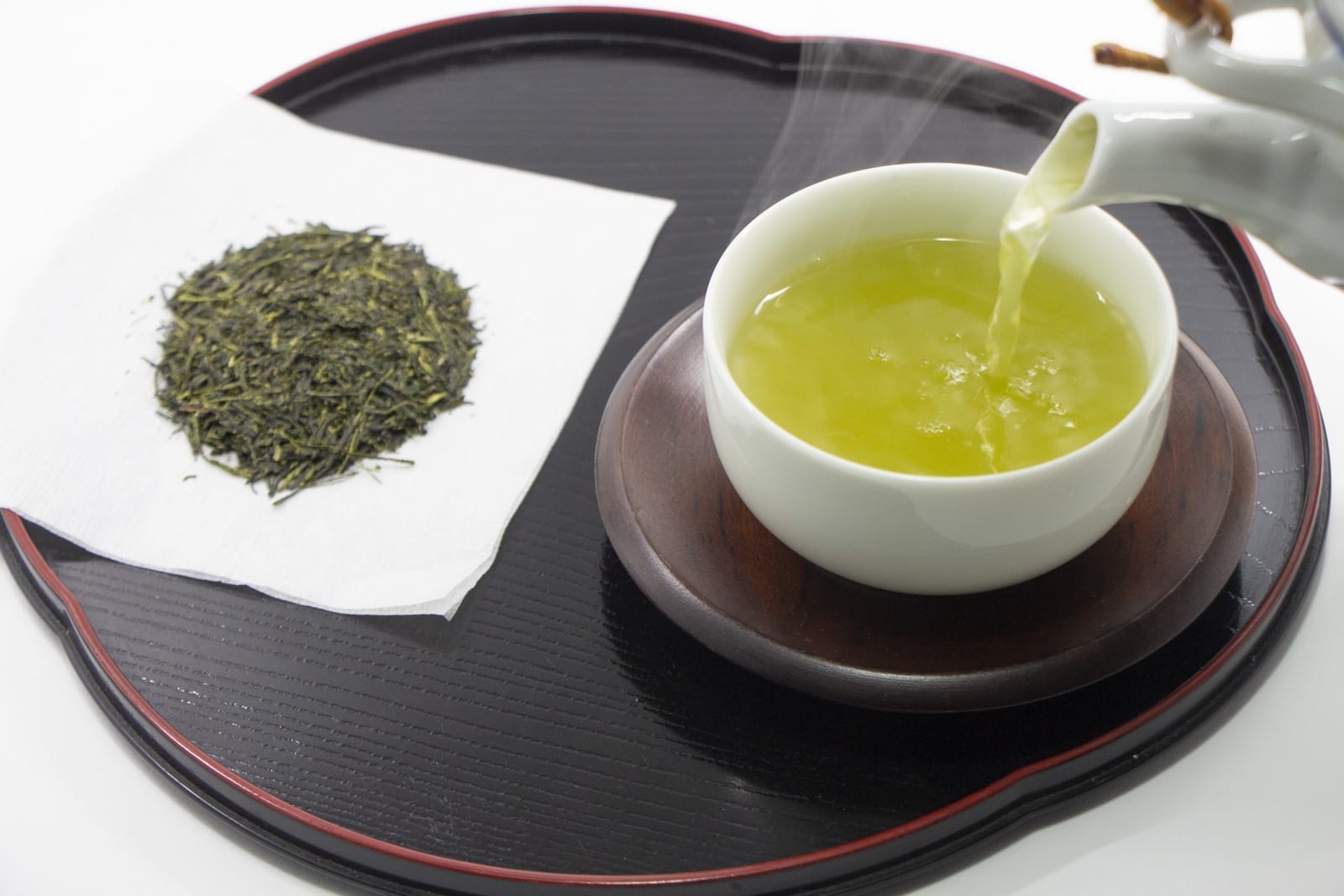
Where they split is what happens after picking. Tencha is never rolled. It's dried flat, fired in a special oven, stripped of stems and veins, then ground on a stone mill into matcha. Gyokuro takes the other route entirely: it's steamed and rolled, the same way regular green tea is made, twisted into those tight little dark green needles you'd recognize as leaf tea. So gyokuro isn't really "matcha you brew instead of whisk." It's closer to a cousin, the shaded leaf that went down the everyday tea-making path instead of the powder path.
The name itself has a story worth knowing. It's said to date to 1835, when Yamamoto Kahei VI, an Edo tea merchant, tasted a new batch and is said to have described it as sweet as nectar and round as a jewel. Gyokuro, jade dew, stuck as the name.
Why it tastes like dashi
Most people's first reaction to properly brewed gyokuro is that someone has handed them a light broth by mistake. That's not an exaggeration people use loosely; it really does land somewhere closer to dashi than to a normal cup of green tea.
The shade is why. Blocking sunlight slows the process that turns the leaf's amino acids into the bitter compounds (catechins) you taste in a sun-grown tea, so theanine, the amino acid behind that savory, umami note, builds up instead. Matcha gets the same umami boost, but you drink the whole ground leaf, so it comes through thick and concentrated. Gyokuro only gives you what actually dissolves into the water, so the result is lighter, clearer, and quietly more intense in flavor than its pale color suggests.
Brewing gyokuro is basically the opposite of matcha
Matcha wants hot water and a bamboo whisk, worked briskly. Gyokuro wants almost the reverse: water cooled down to somewhere around 50-60°C, well below a normal boil, a small amount of it (often just a couple of shot glasses per serving) poured into a small teapot or houhin, a handle-less brewing pot made for exactly this, then left to sit for around two minutes or so before you pour.
The most common way to ruin a cup of gyokuro is impatience: using water straight off the boil. It'll still taste like tea, but you'll get bitterness instead of that broth-like sweetness the leaf is capable of. For a second or third steep, you can raise the water temperature a bit and steep for less time; the leaf keeps giving in different ways each round.
One more thing that tends to surprise first-timers: some people eat the spent leaves afterward, dressed with a little soy sauce or ponzu, the way you'd eat a small dish of greens. The leaves are tender enough after a low-temperature steep, and there's nutritional logic to it too, since some of what's in the leaf never makes it into the cup in the first place.
Caffeine and price, honestly
Shade-grown young leaves are said to carry more caffeine than a typical sun-grown tea, and gyokuro and matcha are close cousins on that front. That said, how much of it actually ends up in your cup depends a lot on how you brew: gyokuro's cooler water pulls out less than a hot, fast brew would. We won't print a number here; the sources we trust don't line up closely enough to give you one.
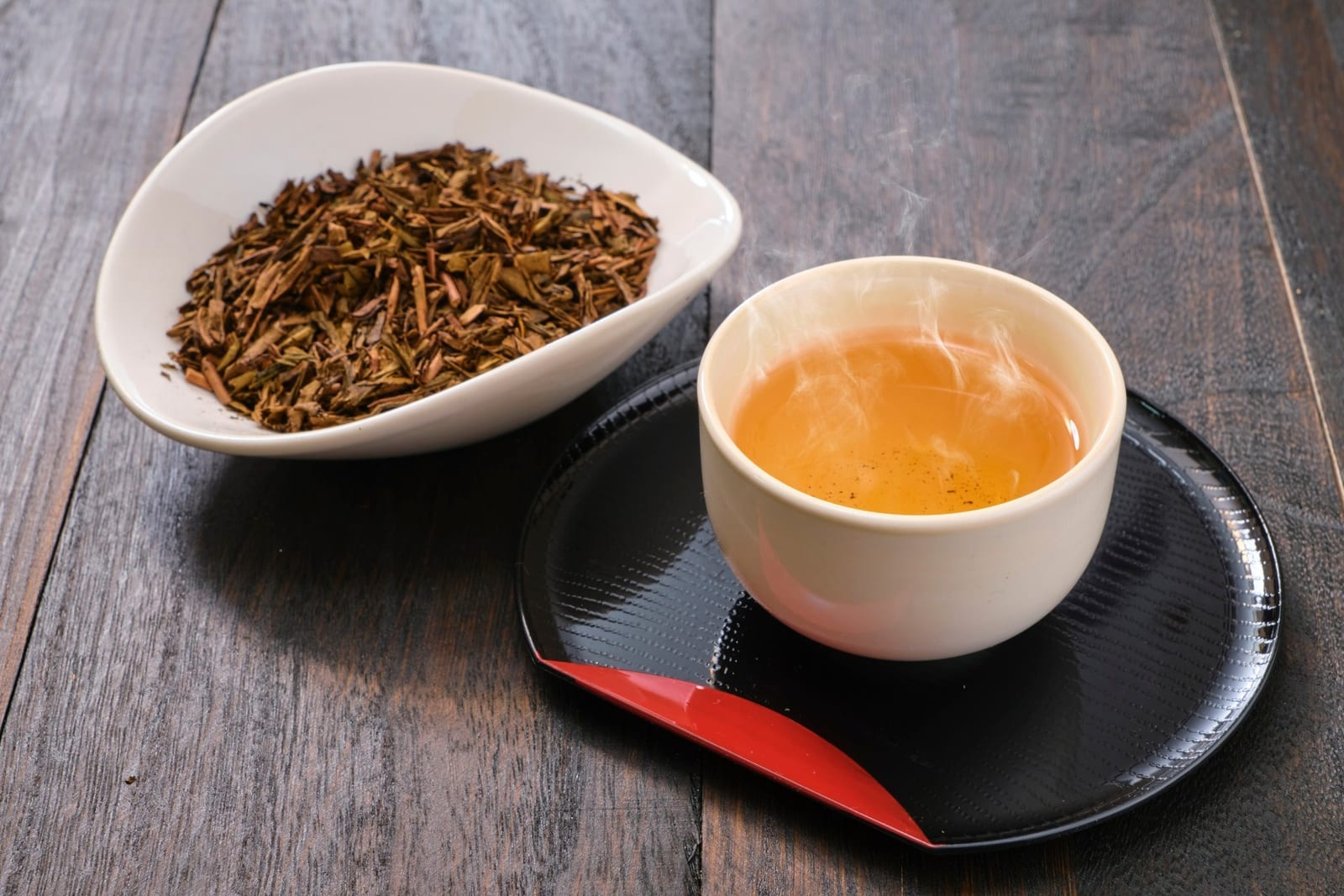
On price: gyokuro is among the most labor-intensive leaf teas Japan makes, between the weeks of shading and the more delicate handling afterward. We're not going to put a figure on it, but "not cheap" is a fair way to think about it if you're shopping. If hojicha is the tea that makes ordinary leaves taste good for almost no effort, gyokuro is the other extreme: the tea that asks the most from the farmer before it ever reaches your cup.
There's a quieter story happening behind the scenes, too. Matcha demand has climbed sharply worldwide, and tencha production has grown a lot to keep up (nearly threefold over the past decade, by one government estimate). Some of that shaded acreage that used to go into gyokuro is thought to be shifting toward tencha instead. It's not a confirmed cause-and-effect, but a plausible read on why gyokuro can feel like the quieter, less-hyped tea standing next to matcha's spotlight.
Where you'll meet it in Japan, and how to read the label
Three regions are usually named as gyokuro's home ground: Uji in Kyoto, Yame in Fukuoka, and Asahina in Shizuoka, in Fujieda city. If you're anywhere near Fujieda, there's a public facility called Gyokuro no Sato with a tea room where you can have a cup properly prepared for you, a nice detour if a tea-growing area is already on your route.
If you're driving through tea country between roughly April and May, keep an eye out for black netting or, in more traditional spots like Uji, woven reed and straw screens stretched over rows of bushes. That's the shade going on: the exact moment tencha and gyokuro fields are being made. Once you know to look for it, it changes how you see a tea-growing hillside.
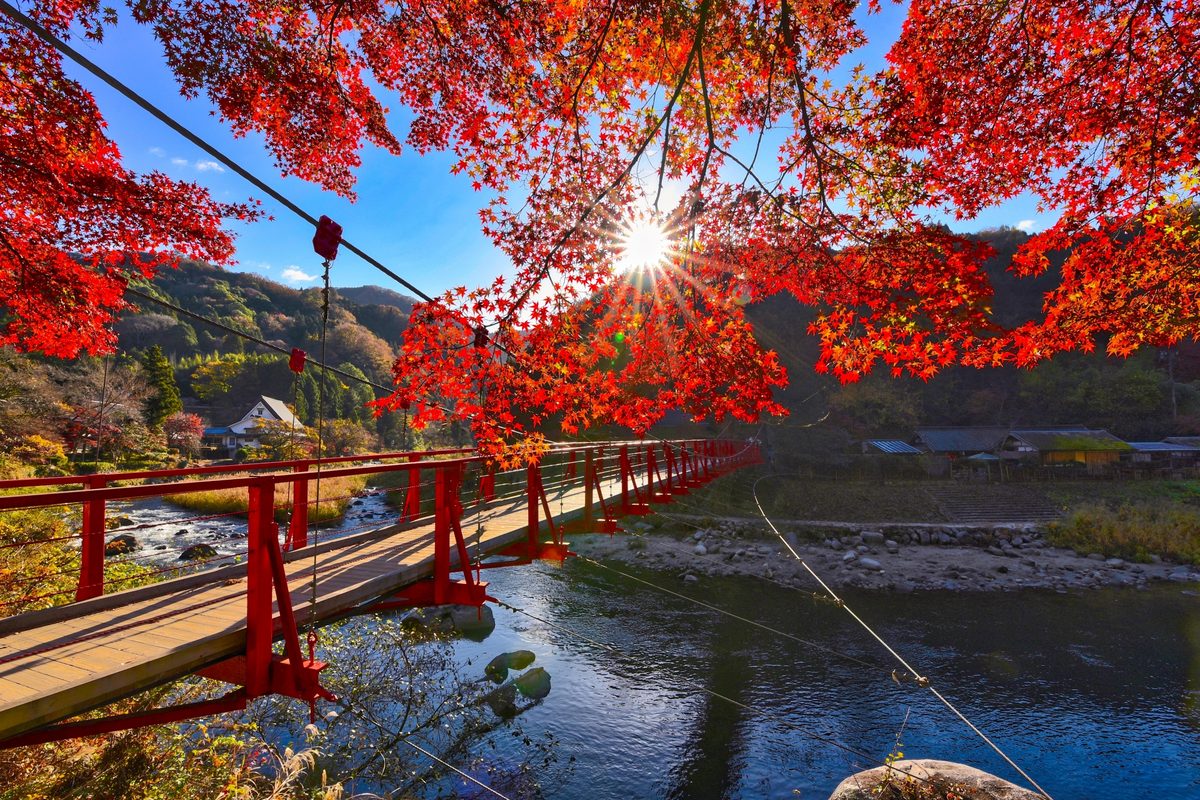
On labels, gyokuro, kabusecha, and sencha are distinguished mainly by how long the leaf was shaded before picking, per Japan's tea industry labeling standards: sencha gets little to none, kabusecha a week or so, gyokuro closer to 20 days. Central Shizuoka, where Asahina sits, is also not far from the Kawane valley we've mapped among Japan's tea regions, same broad part of Shizuoka, different specialties growing within an easy drive of each other.
Matcha is Japanese tea in its dress clothes, and hojicha is what you wear once you're home for the evening. Gyokuro sits somewhere else entirely, the tea that shows up on the few occasions worth slowing down for. Next time someone pours you a small cup of something pale and quietly rich, don't rush the first sip. Wait for it.
Planning a trip around central Japan? See the small-group days we run from Nagoya.
Browse all toursDid you enjoy this story?