Hojicha vs matcha: the roasted tea Japan drinks after dinner
By Trip Japan YLP Editorial TeamPublished by Trip Japan YLP
In this article
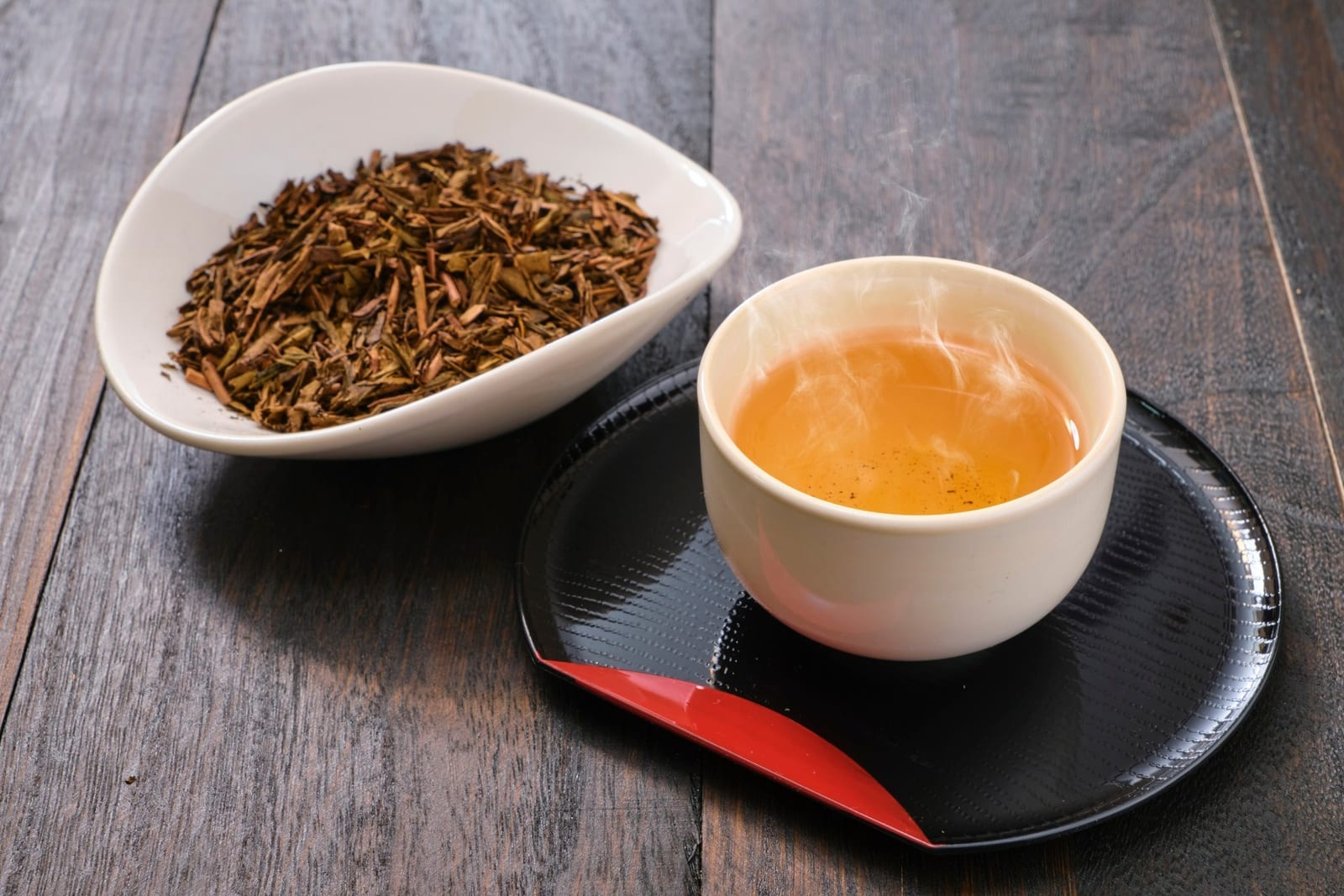
There's a moment that catches almost every first-time guest at a ryokan. Dinner winds down, the plates are cleared, and out comes a small pot of tea that's distinctly, unmistakably brown. Not black tea — nobody poured you an English breakfast by mistake. It's still green tea. It just doesn't look like it anymore.
That's hojicha (you'll also see it spelled hōjicha or houjicha). And if you've been drinking matcha lattes for the past couple of years, it's worth meeting the tea sitting at the opposite end of the same family.
Same leaf, totally different path
We've written before about how matcha and sencha split off from each other. Matcha is grown in the shade, then ground into powder you whisk and drink whole; sencha is grown in the open and steeped as loose leaf. Hojicha starts from that second, ordinary world. It's usually sencha or bancha (a coarser, later-harvest leaf), sometimes just the stems, roasted hard over high heat.
Here's the part that still gets me: none of that colour change comes from oxidation. We wrote a whole post about oxidation being the thing that turns green tea into black tea. Hojicha skips that entirely. The leaf never oxidises. It's fire, not fermentation, that turns it brown. A different route to a similar-looking result.
Why it's brown and smells like that
Roast tea leaves at a high temperature (sources put it somewhere in the 160°C to 200°C range) and you get the same basic chemistry as toasting bread or roasting coffee: the Maillard reaction. It's what browns the leaf and, along the way, builds a whole new set of aromatic compounds (pyrazines, if you want the technical word) that give hojicha its nutty, almost caramel-and-toast smell. Green tea smells grassy and marine. Hojicha smells like something just came out of the oven.
Hojicha as we know it is said to date back to the early Shōwa era, around the 1920s, when a Kyoto tea merchant is said to have roasted up leftover tea rather than throw it away. Whether or not that's the whole story, it fits the tea itself: a way of making ordinary leaves taste good.
What about the caffeine?
You'll see this claimed everywhere: hojicha has less caffeine than matcha. I'd hold that loosely rather than treat it as a fixed number — the sources I trust don't line up cleanly enough to print one. What does seem to hold up is the reasoning behind it: hojicha is roasted at temperatures that drive off some caffeine, and it's often made from the more mature leaves and stems, which tend to carry less to begin with. Matcha, by contrast, is the youngest, shadiest, most caffeine-dense leaf on the bush, ground up so you drink the entire thing.
Whatever the exact number, it lines up with how it's used here. Hojicha is what gets served after dinner, and it's the tea Japanese parents are far more relaxed about giving to kids.
Where you'll actually meet it
Once you know to look, hojicha turns out to be everywhere. It's the tea after a ryokan dinner. It's in vending machines and convenience store bottles. In the last few years it's shown up as a latte and soft-serve at cafés around Japan too, and in Taiwan, hojicha lattes (焙茶拿鐵) have become a genuine fixture on drink-stand menus, which is probably where a lot of travellers meet it first, before they ever set foot here.
It's had a quieter moment abroad as well. English-language food writers have started calling hojicha "the new matcha." Worth taking with a grain of salt as a headline, but it does say something that it's showing up in conversations where matcha used to have the floor to itself. Some of that is timing: 2025 and 2026 have been tight years for matcha, with the tencha (the shaded leaf matcha is ground from) that goes into it in short supply as demand has outpaced what producers can grow. Hojicha, made from the ordinary leaf nobody's short of, is the easy understudy.
What to buy, and how to make it at home
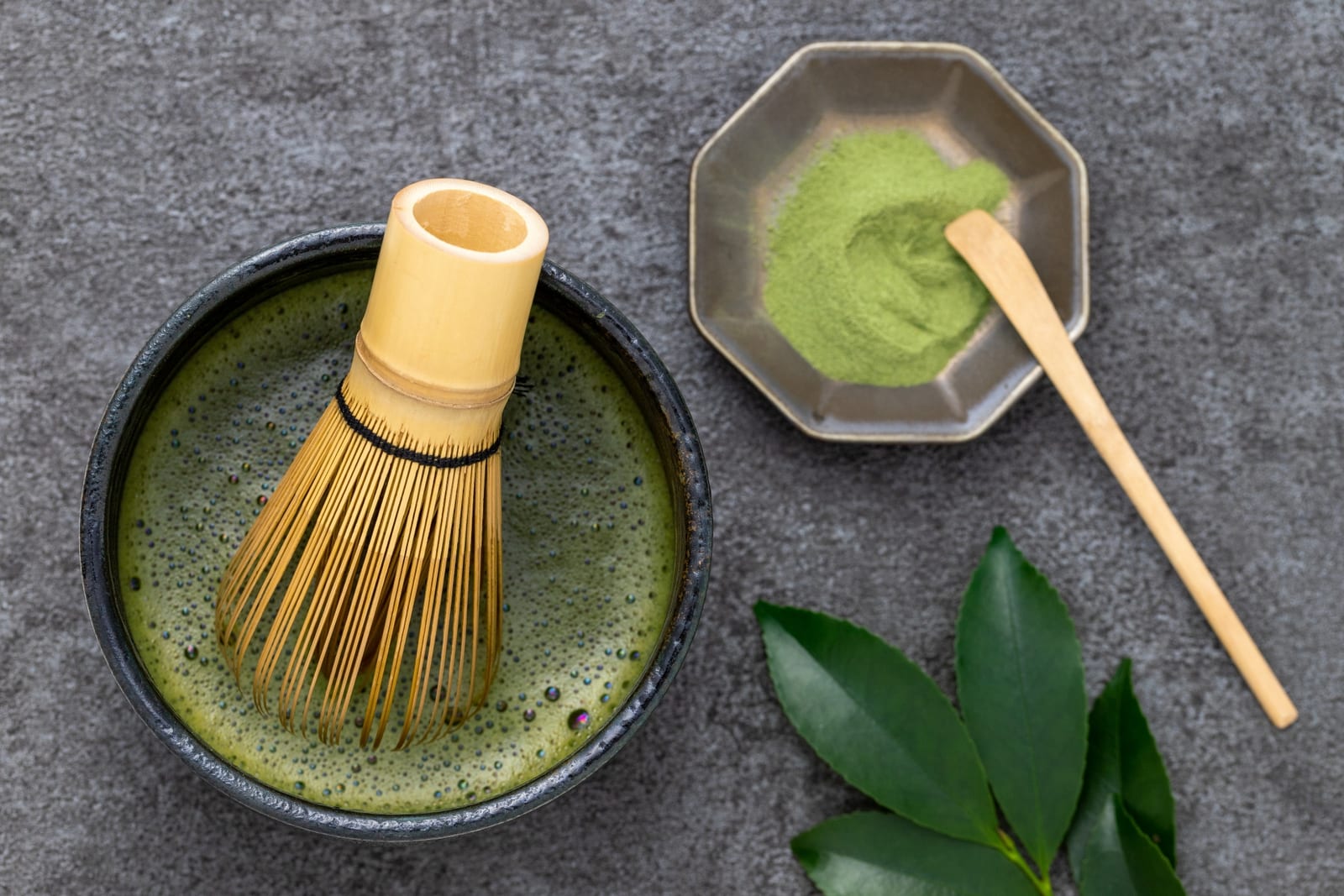
Matcha asks something of you: a whisk, a fridge to keep the opened powder fresh, a bit of technique to avoid clumps. Hojicha asks almost nothing. Hot water, a few minutes, done. It's hard to mess up, it's inexpensive, and a bag of it packs flat in a suitcase, which makes it the more forgiving souvenir if you're buying tea for people back home who don't own tea gear.
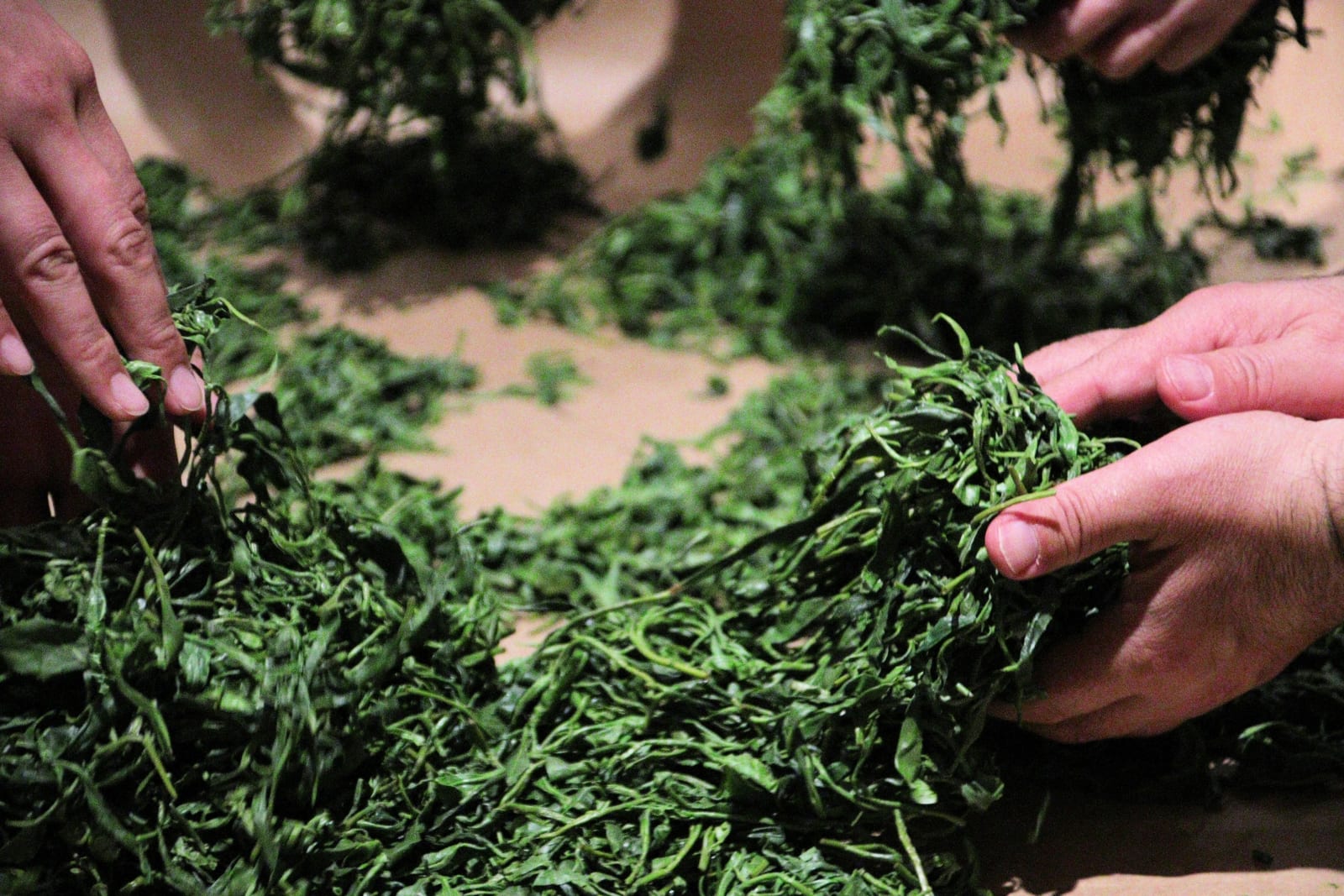
There's also a trick worth knowing: hojicha is something you can make yourself. Take sencha that's gone a bit stale, heat a dry frying pan, and stir the leaves over medium-low heat until they turn brown and the kitchen starts smelling toasty. About twenty minutes, by most recipes. It's a nice thing to try once you're home, using tea you bought here.
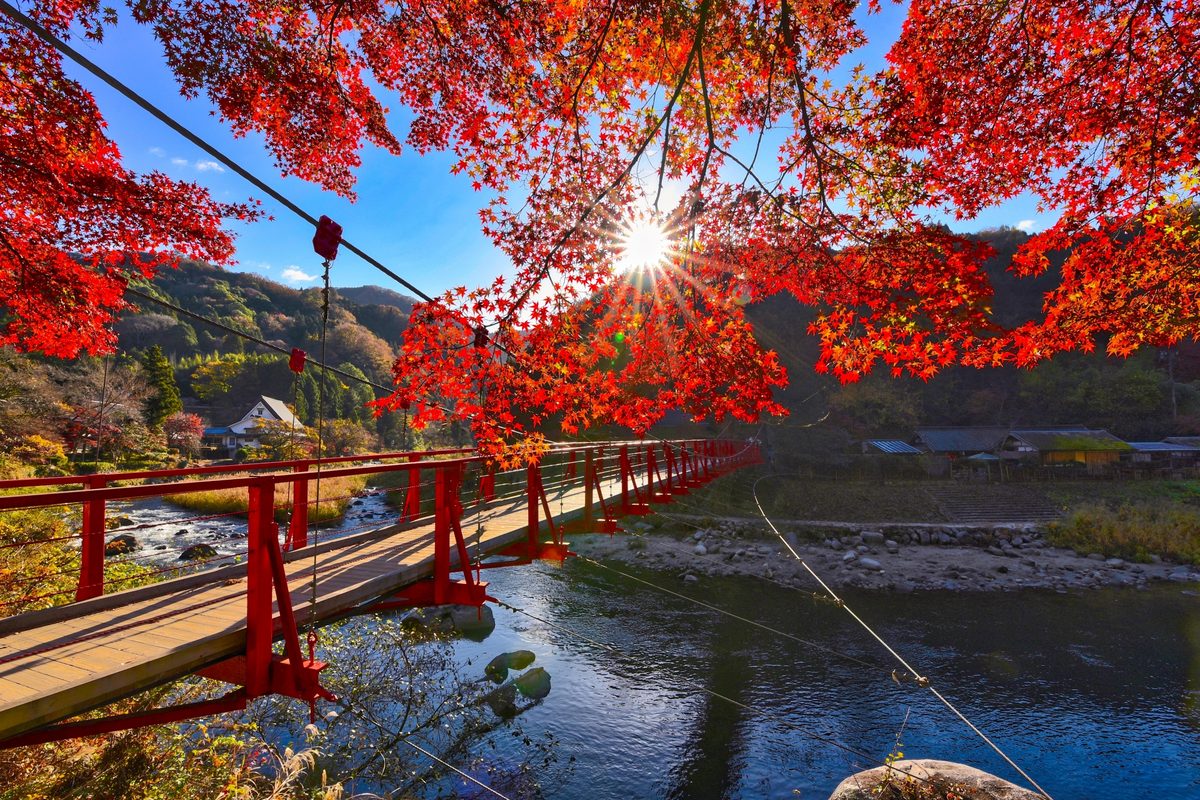
If you head out to a tea-growing area like Shizuoka's Kawane valley (we've mapped a few of Japan's tea regions here), this is where it clicks into place. The same field, the same picking, and depending on what the farmer does next, the leaf becomes sencha or it becomes hojicha. Two entirely different drinks, one hillside. If matcha is still a mystery to you, our rundown of what matcha actually is is a good place to start before you go shopping.
Matcha is Japanese tea in its dress clothes — ceremony, technique, the good stuff. Hojicha is what you wear once you're home for the evening. Next time a warm brown tea shows up at the end of a meal in Japan, you'll know exactly what's in the cup.
Planning a trip around central Japan? See the small-group days we run from Nagoya.
Browse all toursDid you enjoy this story?