
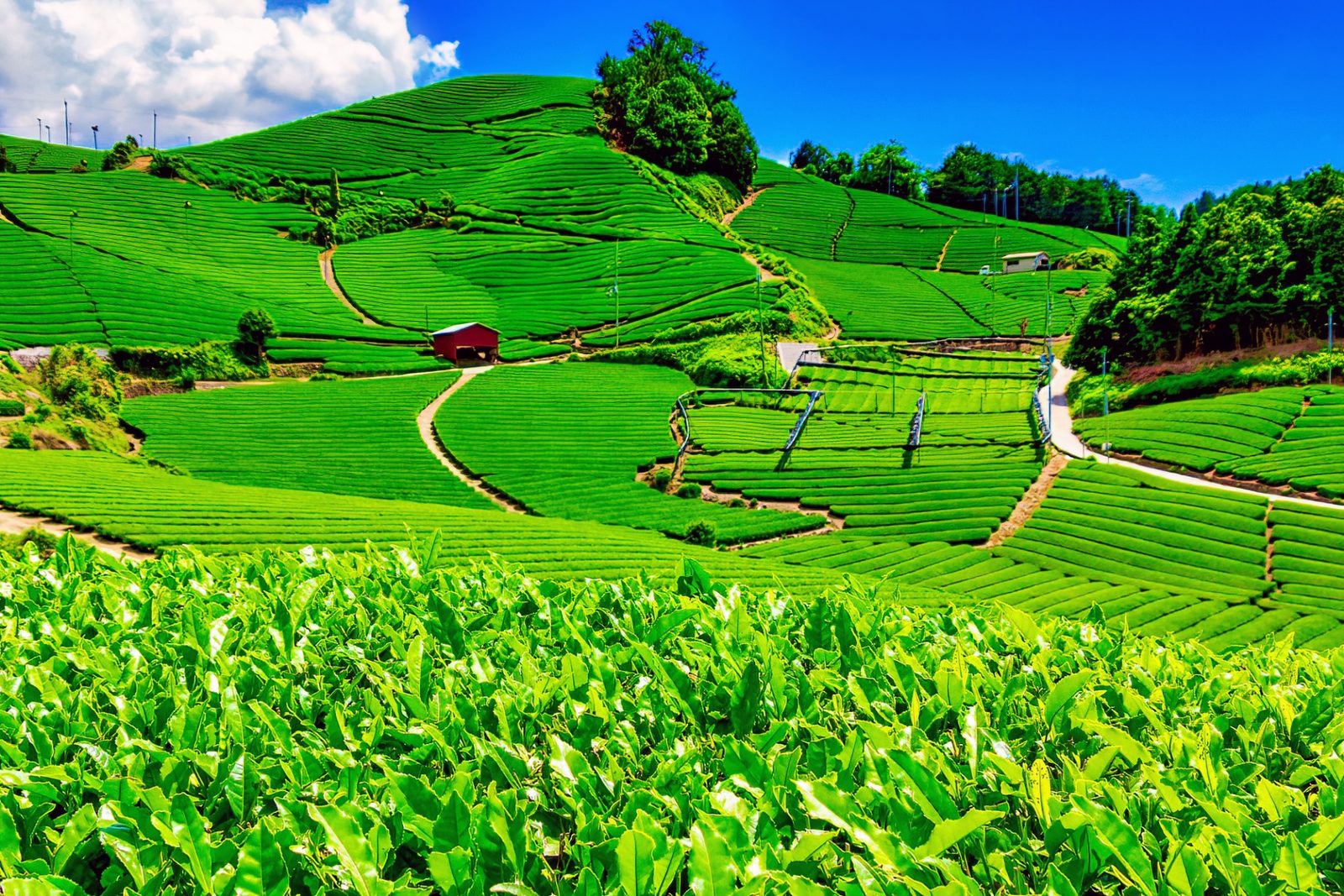
Sencha or matcha? Same tea plant, two completely different cups
By Trip Japan YLP Editorial TeamPublished by Trip Japan YLP
In this article
Here's a thing that surprised a lot of our guests: sencha and matcha come from exactly the same plant. Camellia sinensis, the tea bush. No secret second species hiding somewhere. And yet the loose green leaves you steep in a pot and the bright green powder you whisk into a foamy bowl could hardly feel more different. So what actually happens between the field and the cup? Let me walk you through it — no tea-nerd vocabulary required.
It starts in the field — with shade
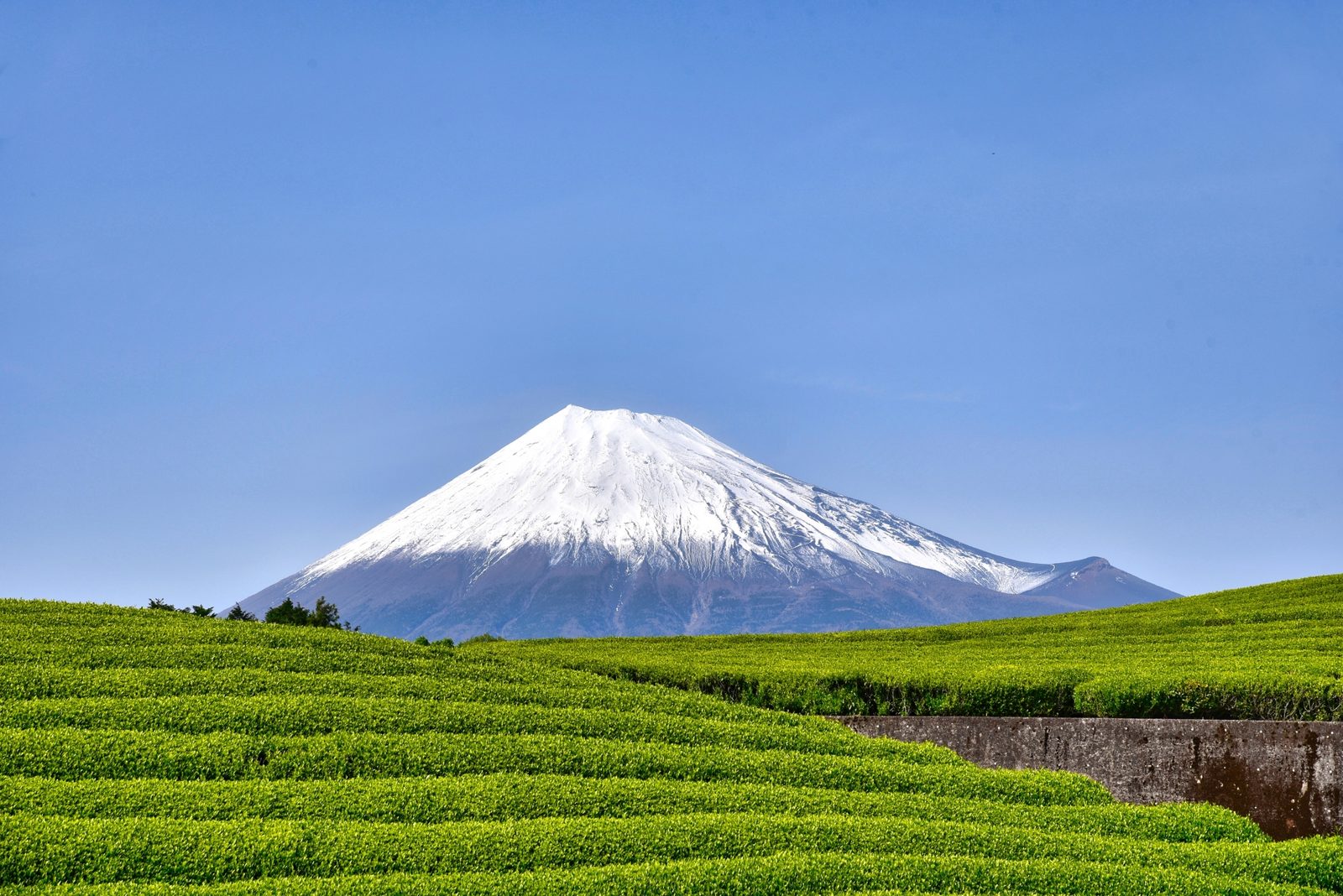
The first fork in the road happens weeks before anyone picks a leaf.
Sencha bushes grow out in full sun. The leaves for matcha get covered up — draped in shade for roughly three to four weeks before harvest. That sounds like a small thing. It changes everything.
Starved of sunlight, the plant pumps out more chlorophyll (that's the deep, almost electric green) and holds on to more of an amino acid called L-theanine, which tastes sweet and savoury — the flavour Japanese people call umami. At the same time it makes fewer catechins, the compounds behind tea's brisk, slightly bitter edge. So before a single leaf is processed, the shaded ones are already sweeter, greener, mellower. The sunny sencha leaves keep more of that fresh, grassy briskness.
Then the making splits in two
After picking, both get a quick steam to lock in the green. That's where they part ways.
Sencha is rolled — worked and shaped as it dries into those thin, dark, twisted needles you see in the packet. To brew it, you steep the leaves in hot water, pour off the liquid, and the leaves stay behind in the pot.
Matcha's leaves aren't rolled at all. They're dried flat, then the stems and veins are stripped away, leaving only the tender leaf flesh — a papery green material called tencha. That tencha is ground between two stone wheels, slowly, into an ultra-fine powder. Slowly matters: rush it and the friction heat dulls the colour and aroma. About an hour of grinding gives you enough for a handful of bowls.
And that's the real headline. With matcha, you're not steeping the leaf and throwing it out. You're drinking the whole leaf.
In the cup: taste, caffeine, and how you make it
You brew sencha. You whisk matcha. A pot and hot water on one side; a bowl, a bamboo whisk, and a quick zig-zag until it foams on the other. Sencha tastes clean, fresh, a little grassy, with a gentle astringency. Matcha is thicker on the tongue — rich, vegetal, creamy, with a deep umami and a whisper of pleasant bitterness.
Because you swallow the entire leaf, matcha carries more caffeine per serving. As of July 2026, a typical bowl (about 2 grams of powder) lands somewhere around 60–70 mg, while a cup of sencha sits closer to 30–50 mg. Not a jolt like a double espresso — and that L-theanine tends to smooth the edge off the caffeine, which is why matcha wakes you up without the jitters for a lot of people.
As for when: sencha is the everyday cup, the one poured after lunch or set in front of a guest without ceremony. Matcha is the tea of the formal tea gathering — and, these days, of the latte, the soft-serve, the Kit Kat. Same plant. Two whole worlds.
If you missed how all of this got here in the first place, we told that story in the history of Japanese tea. Next time we'll follow a leaf through the factory — how fresh green leaves actually become the tea in your cup.
Planning a trip around central Japan? See the small-group days we run from Nagoya.
Browse all toursDid you enjoy this story?